

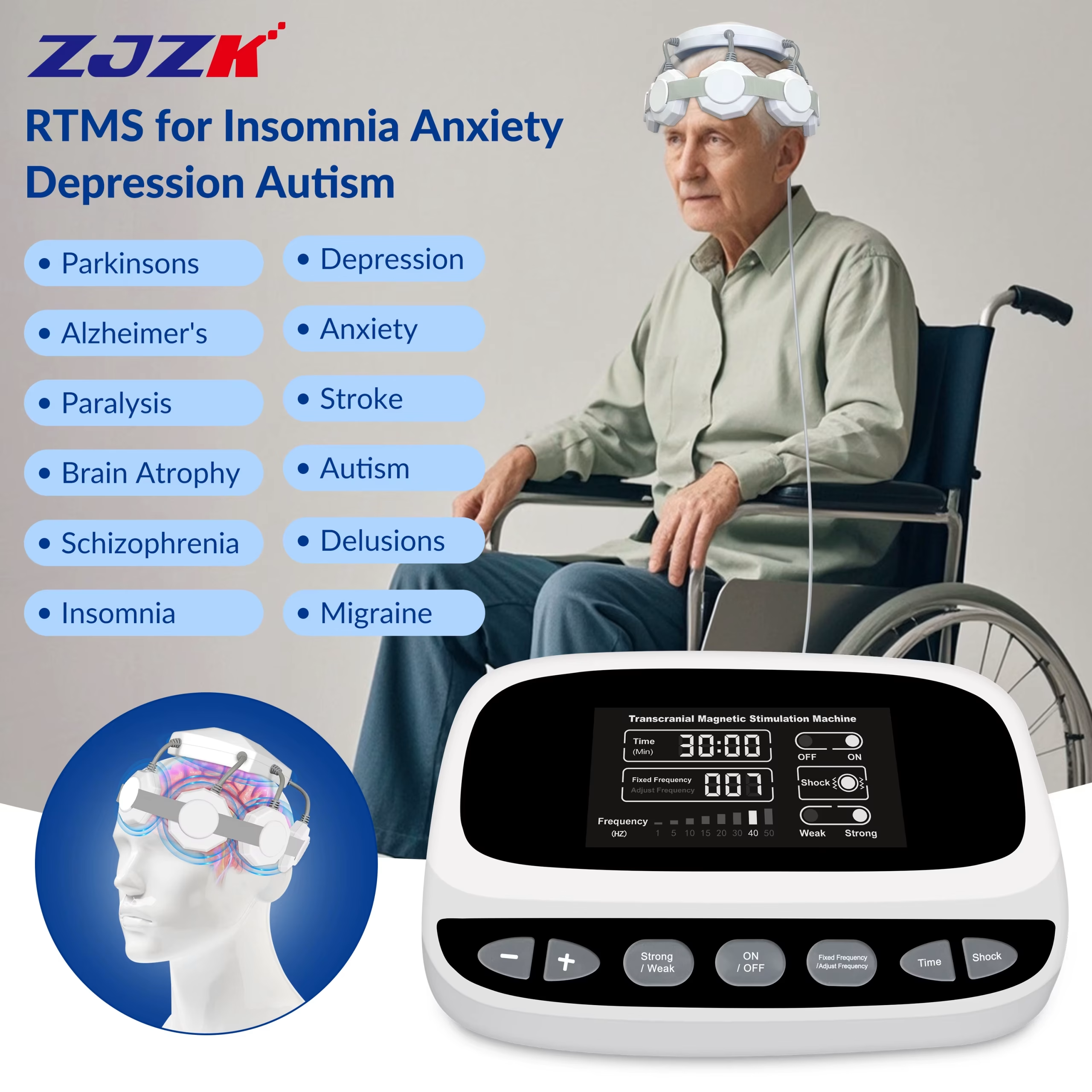
【Magnetic Brain Treatment】RTMS Transcranial Magnetic Stimulation rTMS is a brain disease treatment device developed based on brain physiology, biophysics, and clinical brain disease treatment. It adopts a button control mode, combines repetitive transcranial magnetic stimulation rTMS with alzheimer’s electrical stimulation theory, A brain disease transcranial stimulation device developed using low-frequency alternating electromagnetic therapy technology.
【 Principle 】Transcranial magnetic treatment mainly achieves therapeutic goals through different frequencies, with High frequency rTMS >1Hz: increases cortical excitability.Low frequency rTMS ≤ 1Hz: reduces cortical excitability. This tms transcranial has 8 fixed frequency modes: 1/5/10/15/30/40/50Hz, adjustable. The tms therapeutics device also has weak mode and strong mode. Weak mode: 3mT-15mT maximum peak: 15mT, Strong mode: 15mT-30mT maximum peak: 30mT.
【Application】Transmagnetic therapy is used for the treatment of ischemic cerebrovascular disease, neurosis, and transcranial magnetic stimulation for traumatic brain injury. The magnetic brain stimulation device outputs an electromagnetic field through a magnetic therapy cap to act on brain cells and blood vessels, It can promote metabolism and enhance the repair ability of damaged brain cells; Inhibition of the occurrence of abnormal electroencephalography and magnetoencephalography.
【Suggestion】Therapeutic repetitive transcranial magnetic stimulation
rTMS is recommended to last for about 20-40 minutes per treatment of tms, once a day for at least two weeks.The duration and frequency of treatment can be adjusted according to the patient’s reaction. The security of transcranial magnetic resonance is higher The patient can remain awake during the treatment process and immediately resume normal daily activities after treatment without the need for medication or anesthesia.
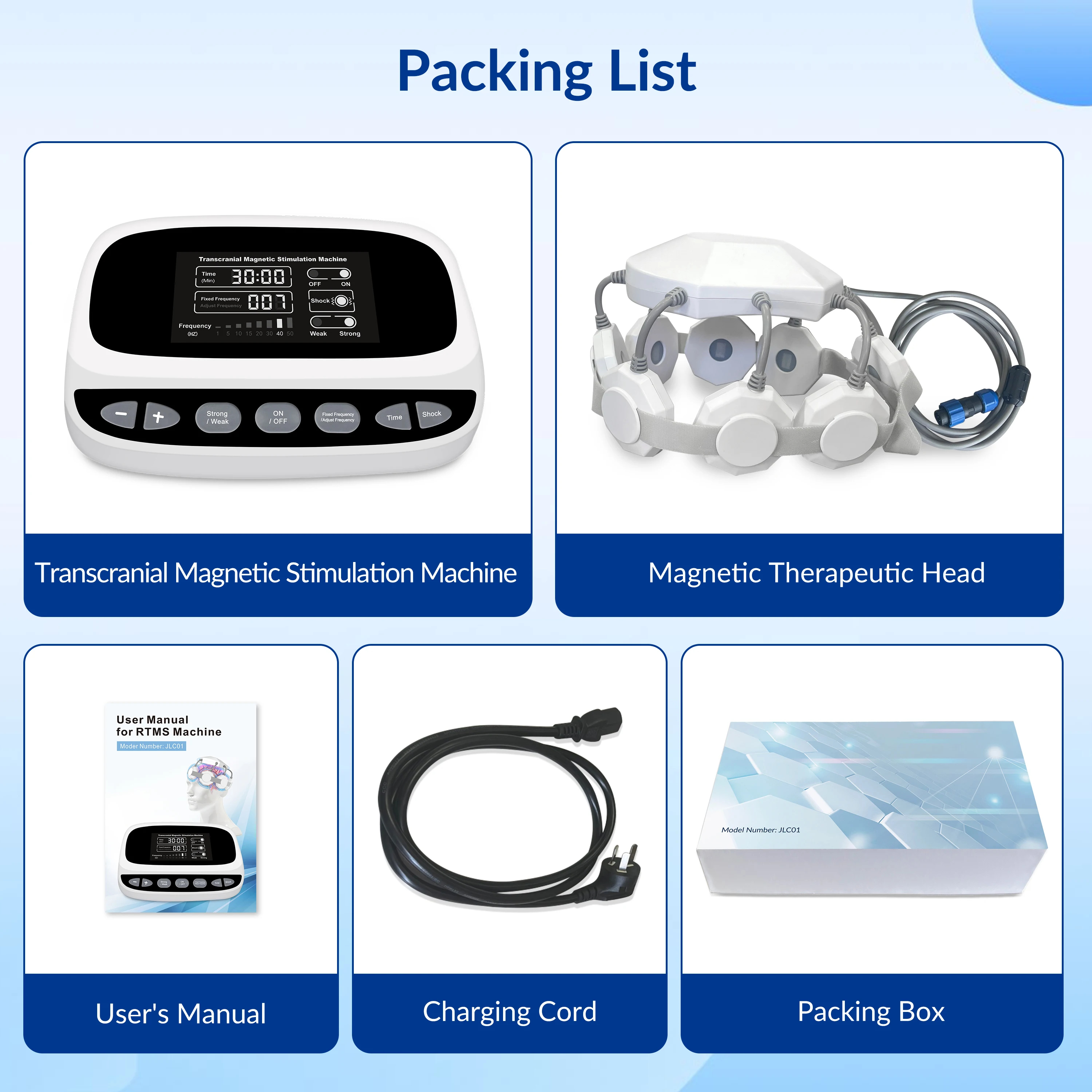
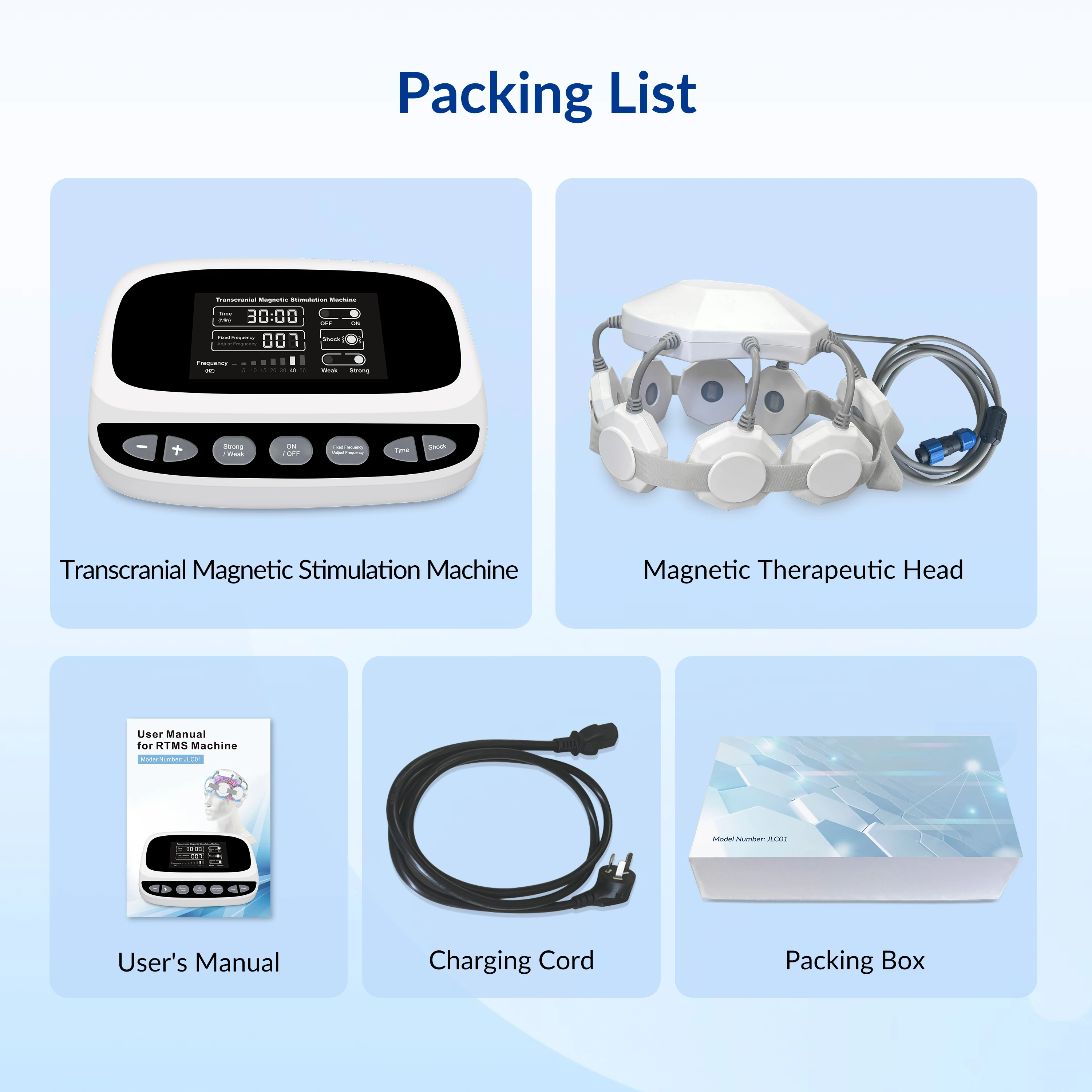
【Includes】The packaging includes: 1 * RTMS machine, 1 * Magnetic Therapeutic Head, 1 * User’s Manual, 1 * Cooling Cord, 1 * Packing Box.This product also comes with a one-year warranty.Convenient to carry and suitable for tms home therapy.We are 100% committed to TMS and brain health. If you have any questions about the effectiveness of tms therapy, please contact us.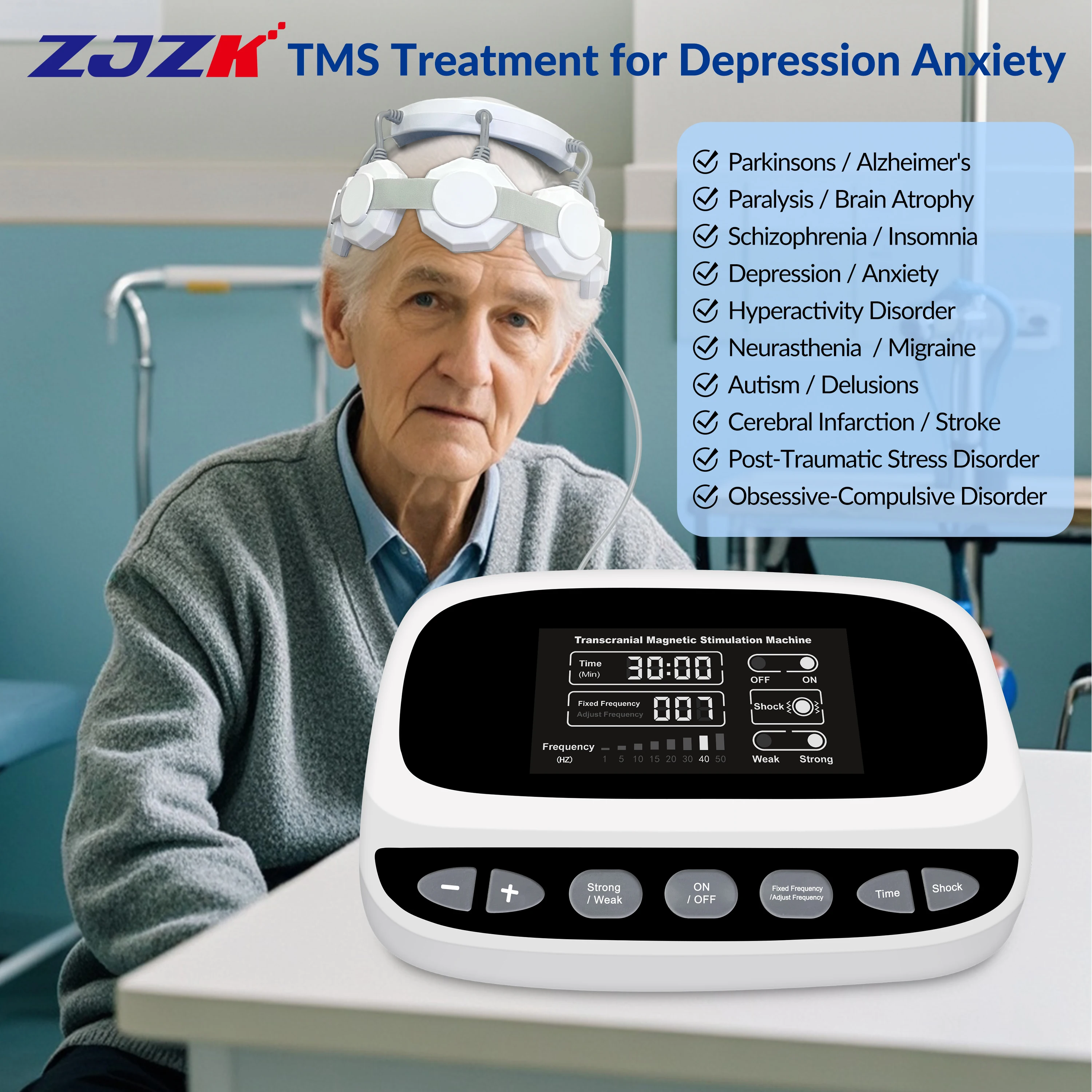 Product Specifications
Product Name:Transcranial Magnetic Stimulation Machine
Power:AC 100V-240V, 50Hz/60Hz
Number of Therapeutic Heads:1 Large Therapeutic Head+8 SmallTherapeutic Head
Magnetic Field Frequency:1/5/10/15/20/30/40/50Hz, 8 Fixed Frequency Adjustable
Variable Frequency Modes:11 Modes to Choose
Weak Level Magnetic Strength:6mT-10mT
Strong Level Magnetic Strength:11mT-19mT
Head Vibration Mode:Available
Time:0-95 Minutes, Every 5 Minutes Adjustable
Material:ABS
Net Weight:Machine: 1kg / 2.21lbs, Therapeutic Head: 0.7kg / 1.54lbs
Machine Size:27.97*18.97*8.06cm / 11.01*7.47*3.17in
Power Supply:AC 100V-240V, 50Hz/60Hz
Package Weight:3.2kg/7.05lbs
Package Size:49.5x29x11cm/19.5x11x4in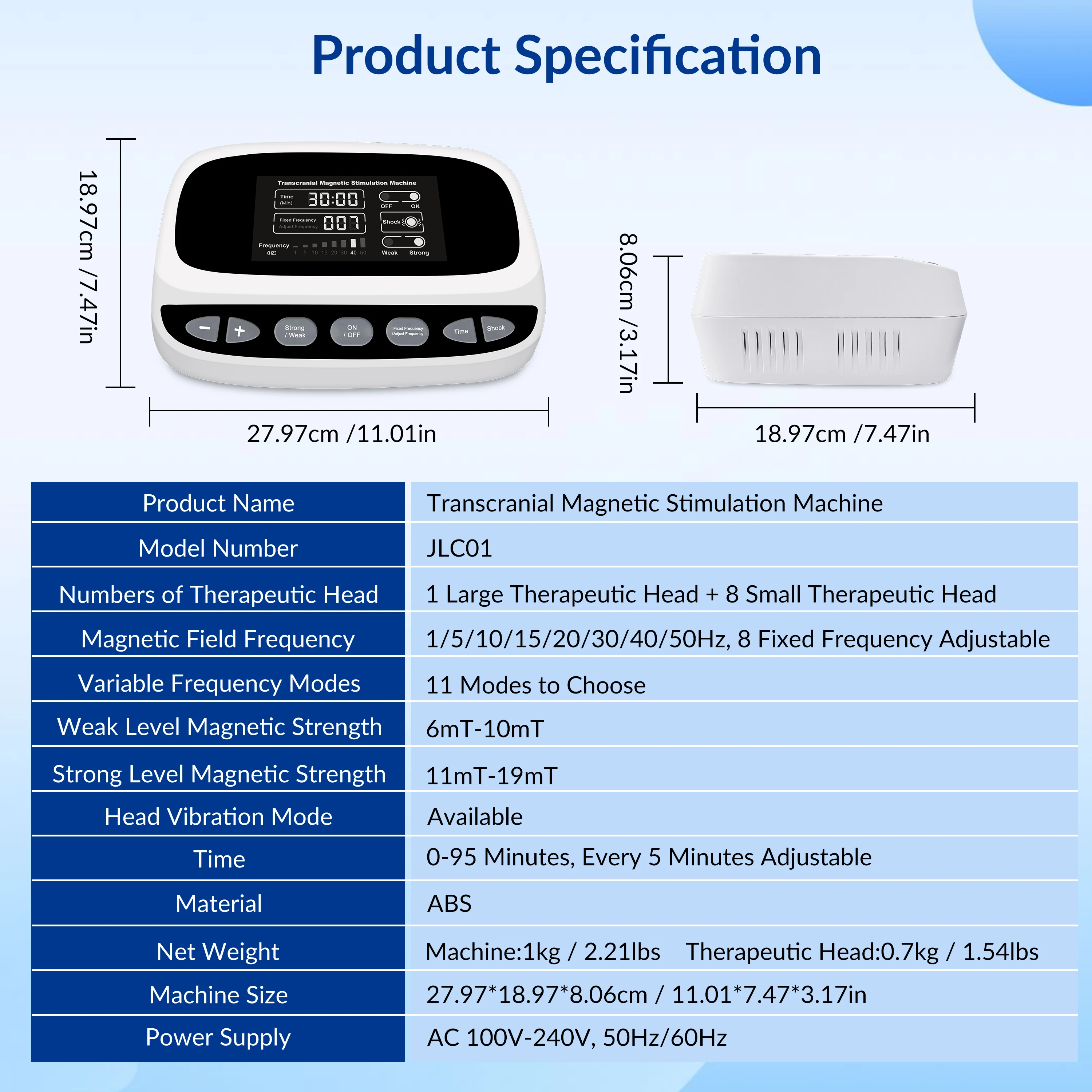 Description
Transcranial Magnetic Stimulation TMS refers to the use of pulsed magnetic fields of different frequencies that pass through the skull and act on corresponding brain functional areas to improve areas of high or low brain function. TMS is a treatment method that uses magnetic fields to alter brain activity. As the brain’s nerve cells transmit signals through electrical currents, action potentials can be generated to transmit the information to the next brain cell, thereby activating the entire neural circuit.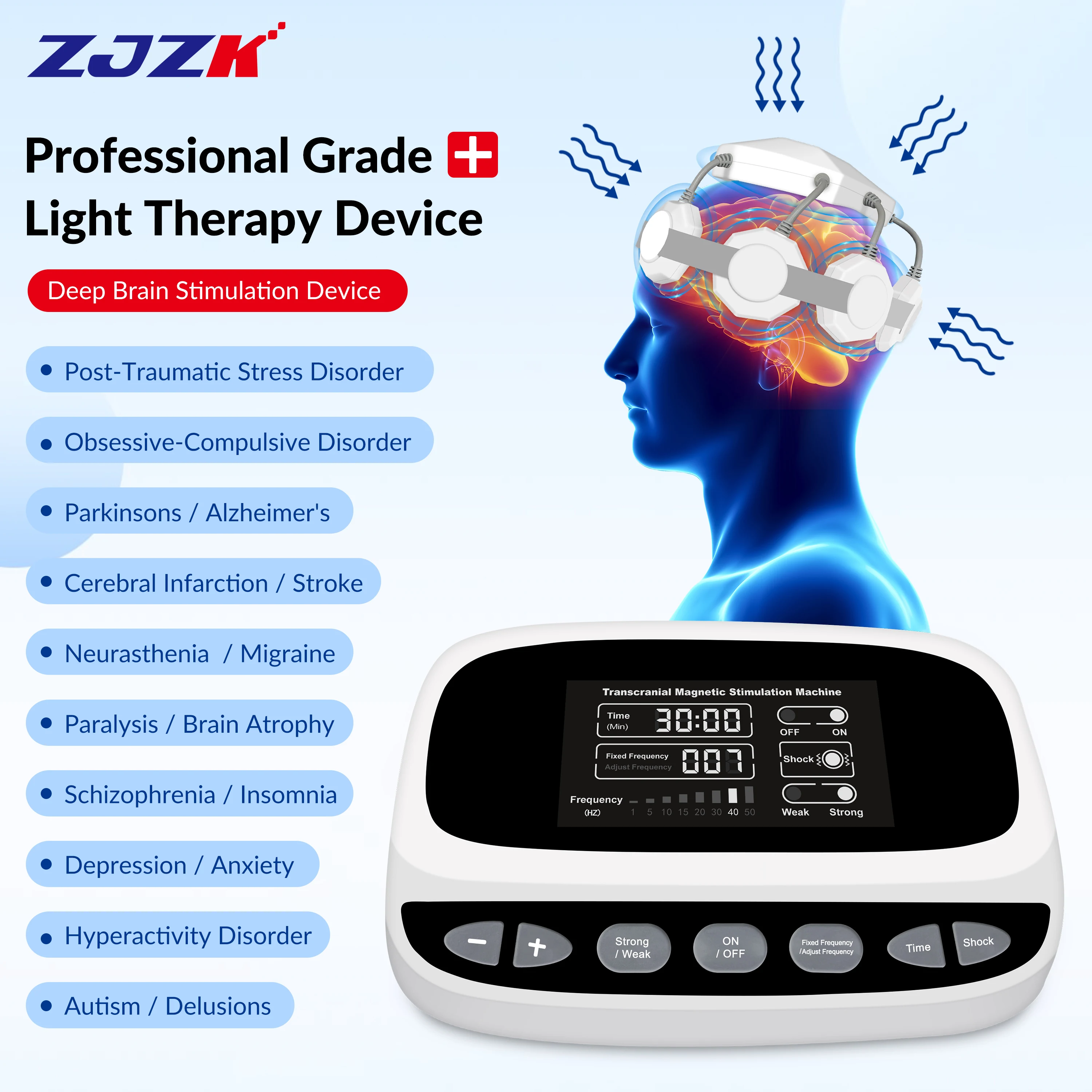 Application
According to the stimulation mode, TMS is divided into single pulse TMS, double pulse TMS, and rTMS repetitive transcranial magnetic stimulation. Among them, single pulse and double pulse TMS are often used to explore brain function, while rTMS is often used to induce changes in brain activity, and these changes can last until after the stimulation cycle.
Continuous rhythmic magnetic pulses, known as repetitive TMS or rTMS, can produce effects that cannot be produced by a single pulse.
The rTMS currently used in clinical practice are mainly divided into high-frequency rTMS and low-frequency rTMS. The former has an excitatory effect on the cerebral cortex, while the latter is believed to have an inhibitory effect.
High frequency >1Hz mainly has an excitatory effect, while low frequency ≤ 1Hz has an inhibitory effect disabling function.
The textbook “Psychiatry” suggests that magnetic fields generate induced currents frequency 1-20Hz, causing depolarization of cortical target neurons; Low frequency stimulation ≤ 1Hz reduces neuronal excitability; High frequency stimulation 10-20Hz enhances the excitability of neurons.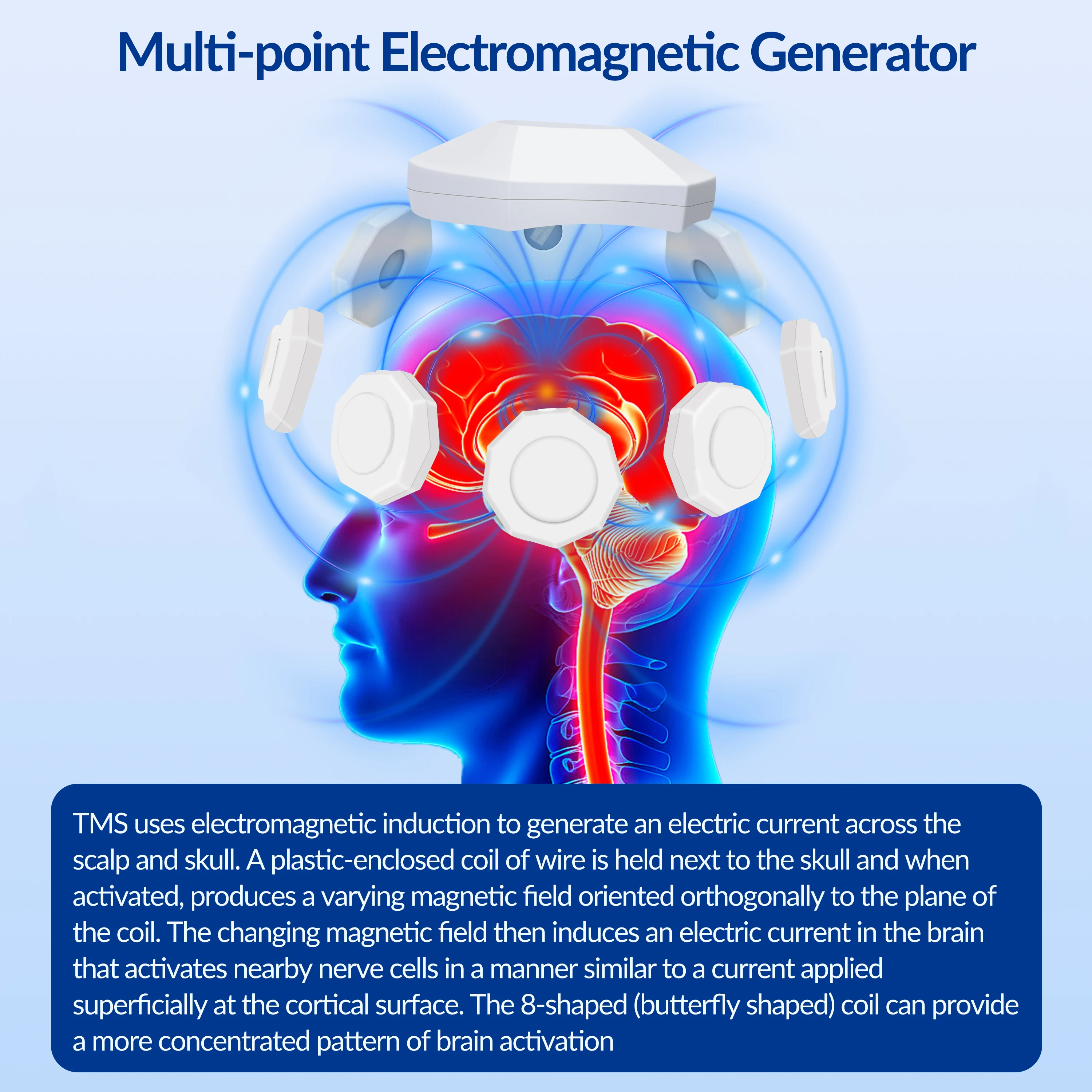 Symptoms for Human
Brain Stroke Dementia,Alzheimer’s DiseaseAD,Parkinson,Disorders of Consciousness,Stroke Rehabilitation,Migraine,Autism,Chronic Neuropathic Pain,Motor Disease,Psychiatric Disease,Amyotrophic Lateral Sclerosis,Major Depressive Disorder MDD,Anxiety Disorders,Obsessive-Compulsive Disorder OCD,Post-Traumatic Stress Disorder PTSD,Depression,Smoking cessation,Schizophrenia,Parkinson’s,Severe Pain,Stroke Recovery,PTSD,Traumatic Brain InjuryTBI,Alzheimer’s,Chronic Pain,Cognitive Enhancement,Epilepsy,Insomnia,Brain Attack,Anxiety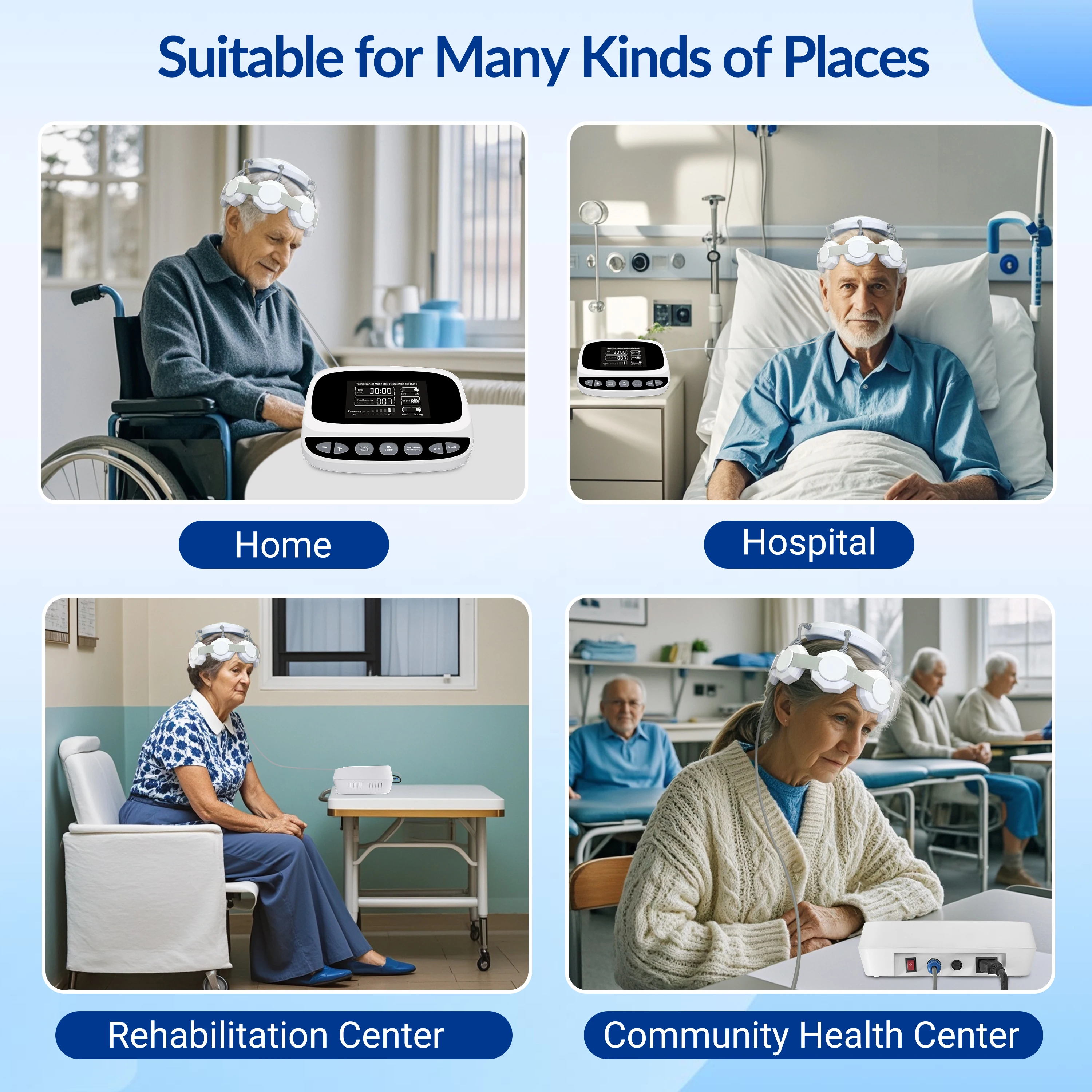 Benefits
The biggest advantage of rTMS treatment technology is high safety, minimal side effects, and high patient compliance.
At present, transcranial magnetic stimulation technology has been applied in various fields such as neuropsychology depression, schizophrenia, rehabilitation, pediatrics cerebral palsy, autism, etc.. Among them, the therapeutic effect on depression, sleep disorders and other diseases has achieved gratifying results in clinical practice as a non pharmacological treatment.
Psychiatry: Drug resistant depression, anxiety disorder, mania, obsessive-compulsive disorder, post-traumatic stress disorder, schizophrenia, auditory hallucinations, tinnitus, sleep disorders, etc.
Neurology: Epilepsy, Alzheimer’s disease, Parkinson’s disease, dystonia, motor neuron disease, multiple sclerosis, migraine, etc.
Rehabilitation department: stroke, spinal cord injury, muscle fiber pain, peripheral nerve injury, motor dysfunction, swallowing disorders, aphasia and other diseases.
Pediatrics: autism spectrum disorder, cerebral palsy, ADHD, epilepsy, etc.
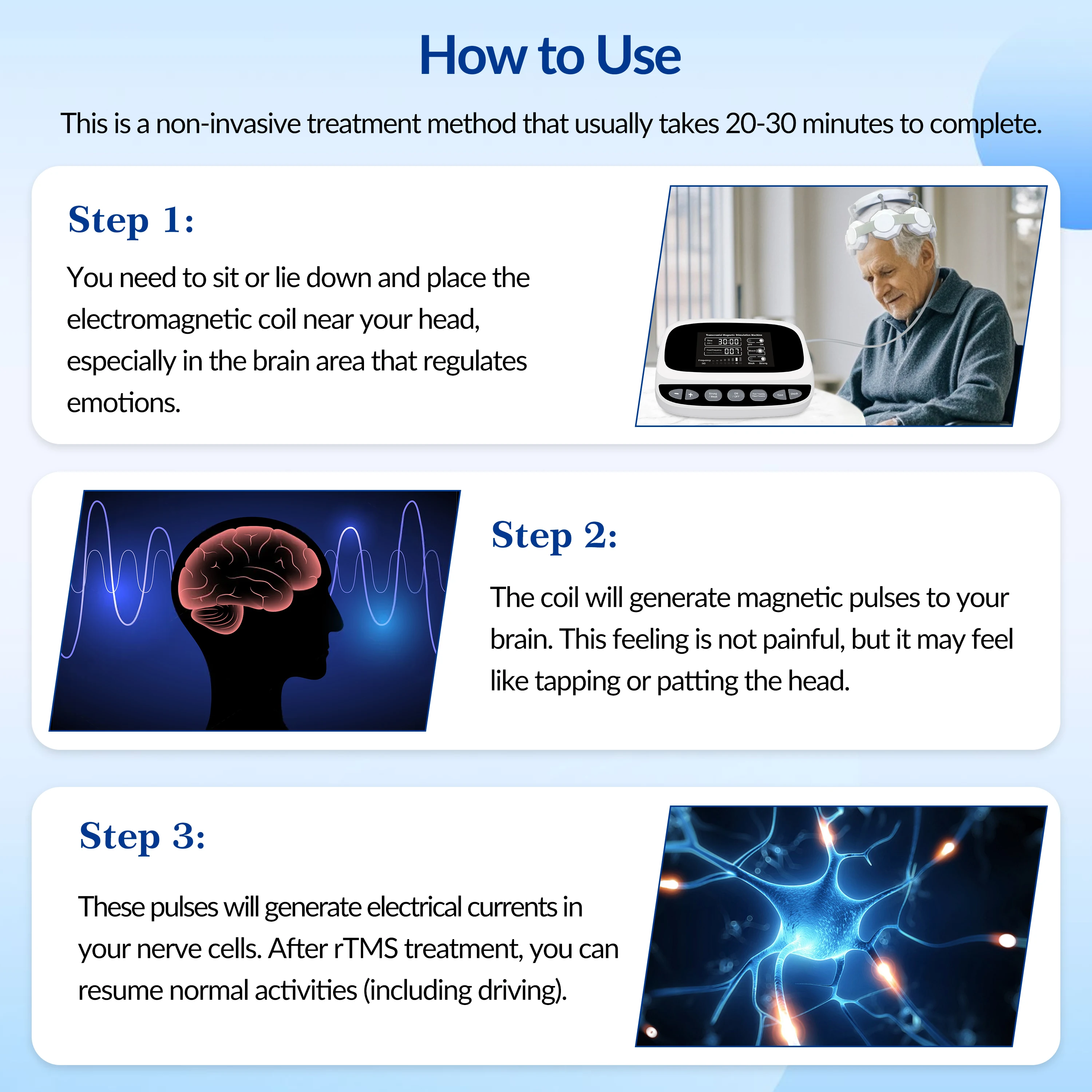
Product operation and usage suggestions
1. Use TMS machine
2. TMS treatment takes about 20-40 minutes each time
Once a day for at least two weeks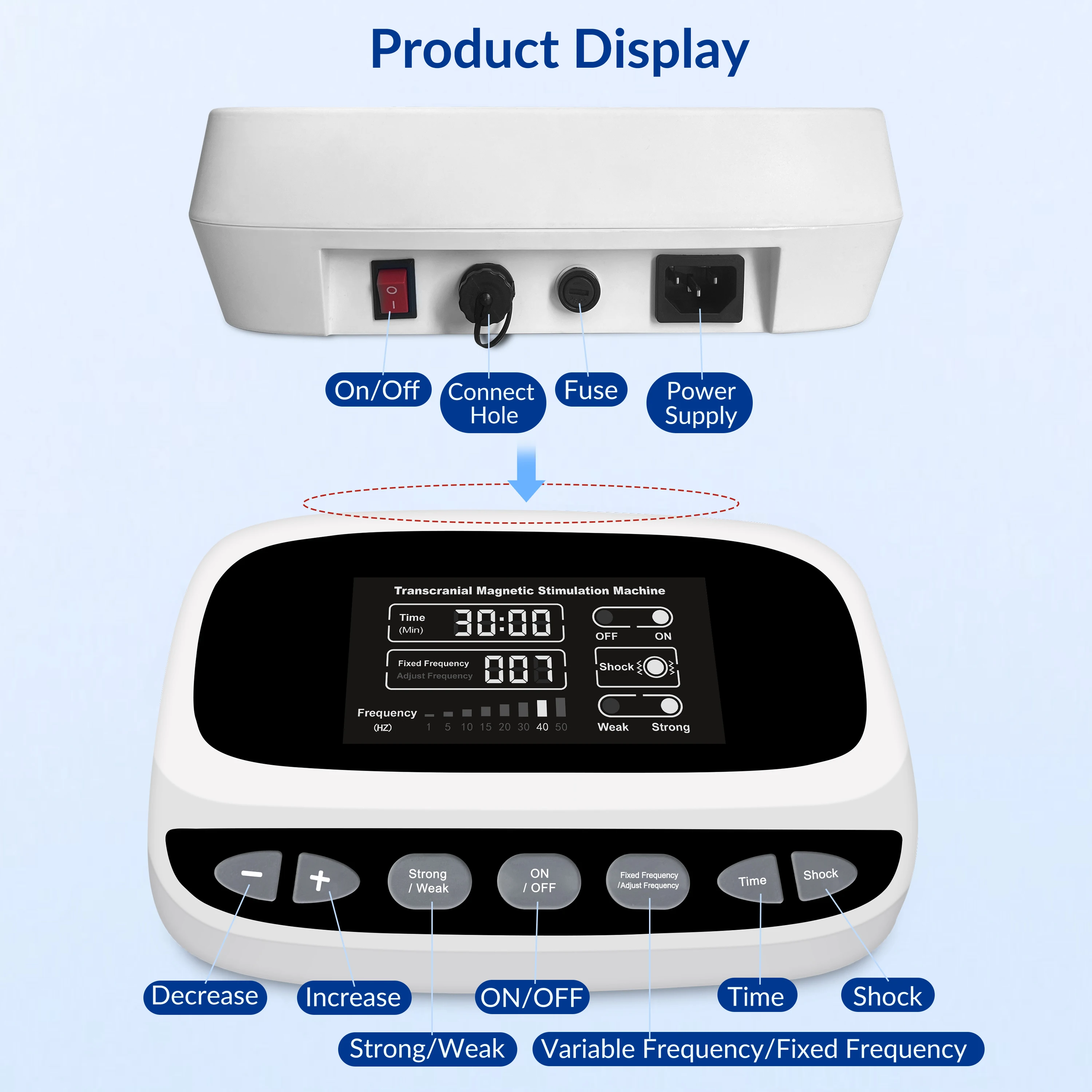




There are no reviews yet.